Fire Watch Guards and Code Compliance: What You Should Know
- kavinjem4842
- Feb 6
- 3 min read

Maintaining compliance with fire safety codes is a critical responsibility for businesses, residential complexes, and industrial facilities. Failure to meet these regulations can result in fines, insurance complications, and, most importantly, increased risk to people and property. During times when fire systems are offline or high-risk operations are underway, Fire Watch Guards play a vital role in ensuring that properties remain compliant while providing continuous safety oversight.
One of the main ways fire watch guards support code compliance is through proactive inspections and monitoring. They regularly check equipment, storage areas, electrical panels, and high-risk zones to ensure that fire hazards are minimized and safety measures are in place. This includes verifying that exit routes are accessible, fire extinguishers are functional, and flammable materials are stored correctly. By identifying potential violations early, fire watch personnel help organizations stay aligned with local, state, and national fire codes.
In addition to inspections, fire watch guards maintain detailed logs and documentation. Accurate reporting is a fundamental requirement of code compliance. Guards record daily observations, incidents, and preventive actions taken during their shifts. These logs provide evidence that proactive measures were implemented, which is critical for inspections by fire authorities and for satisfying insurance requirements. Comprehensive documentation demonstrates a property’s commitment to maintaining a safe and legally compliant environment.
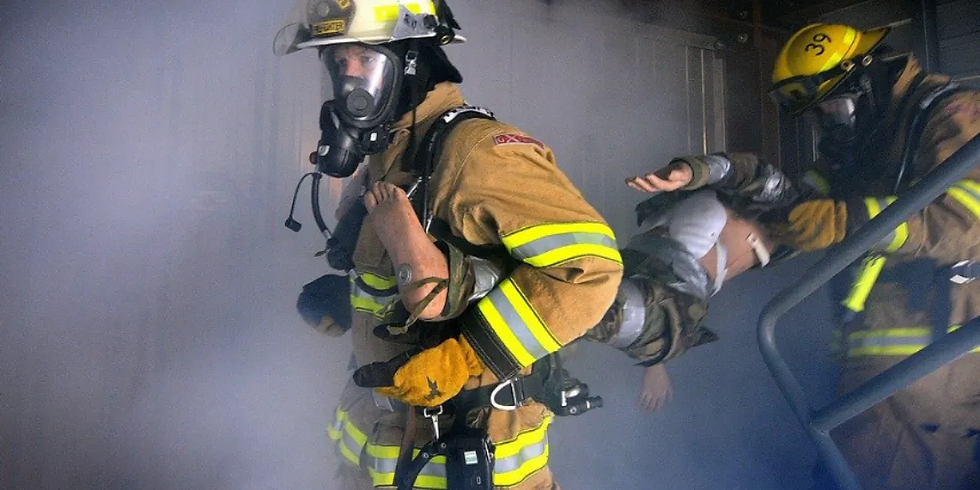
Fire watch guards are also trained to provide rapid response during emergencies, which is often a stipulation in fire safety codes for high-risk operations. If a fire or smoke is detected, guards take immediate action to alert authorities, evacuate occupants, and, when safe, suppress small fires. This rapid intervention ensures compliance with codes that mandate active monitoring and emergency preparedness, especially in scenarios where automated fire detection systems may be offline for maintenance or repair.
Code compliance also involves liaising with management and authorities. Fire watch guards communicate potential risks, provide recommendations for corrective actions, and work with facility managers to implement safety improvements. Their expertise ensures that properties not only meet minimum legal standards but also adopt best practices for fire prevention and protection. This proactive collaboration strengthens compliance and enhances overall safety.
Technology plays an increasingly important role in modern fire watch services. Guards often use digital monitoring tools, real-time communication devices, and reporting software to track hazards, record inspections, and maintain accurate compliance records. These tools allow for immediate reporting to management and authorities, ensuring that no regulatory detail is overlooked. In complex or multi-story facilities, technology enables guards to monitor all critical areas efficiently.
Flexibility is another essential attribute. Fire watch guards can adapt their monitoring and reporting routines to suit specific compliance requirements, whether for industrial sites, construction zones, or residential buildings. This ensures that properties meet all necessary fire safety regulations, regardless of operational complexity or temporary changes in risk levels.
Finally, having trained fire watch guards promotes a culture of safety and awareness that reinforces compliance across the organization. Their presence reminds staff and residents to follow fire safety protocols, report hazards promptly, and remain vigilant. This proactive approach not only reduces risk but also demonstrates a consistent commitment to meeting regulatory standards.
In conclusion, fire watch guards are indispensable for maintaining code compliance. Through proactive inspections, emergency response, detailed documentation, collaboration with management, technology integration, and adaptability, they ensure that properties meet fire safety regulations while minimizing risk. Investing in professional fire watch services is a strategic decision that safeguards people, protects property, and reinforces a culture of compliance and safety.
Comments